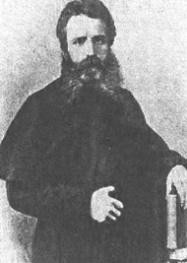
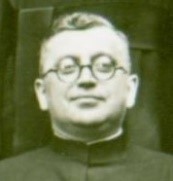
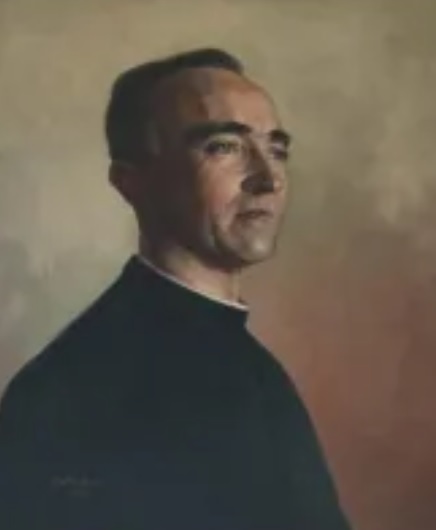
Lukács Bakranin, S.J., was a Jesuit priest of Dalmatian origin whom the Hungarian Jesuit tradition also regarded as one of its own. Only fragmentary details of his life have survived; sources date his death to around 1727.
He was preparing for missionary work in the Spanish colonial territories, but a sudden serious illness prevented him from traveling. His contemporaries remembered him particularly for his patient endurance of suffering and his deep piety: “A few days ago, on July 4, Father Bakranin Lukács, after enduring a painful illness with wonderful patience and great fortitude, exchanged his temporal life for the eternal. His death is mourned by the Spanish Jesuits and his Indian [American] representatives. They mourn him all the more bitterly because they loved and esteemed him for his steadfast conduct, as well as for his outstanding knowledge. For once, when he was invited to participate in theological debates at the school, he presented and explained his objections so brilliantly that the Spanish professors were forced to admit that this Hungarian had rescued them from a deeply rooted misconception. Until then, they had believed that outside of Spain, the speculative sciences were either held in low esteem or not pursued seriously.” (Tihamér Lacza)
According to Jesuit tradition, he possessed an excellent education in philosophy and theology. He argued so successfully in a theological debate that even Spanish professors spoke with admiration of his knowledge.