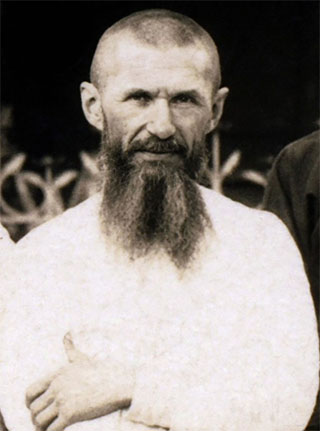
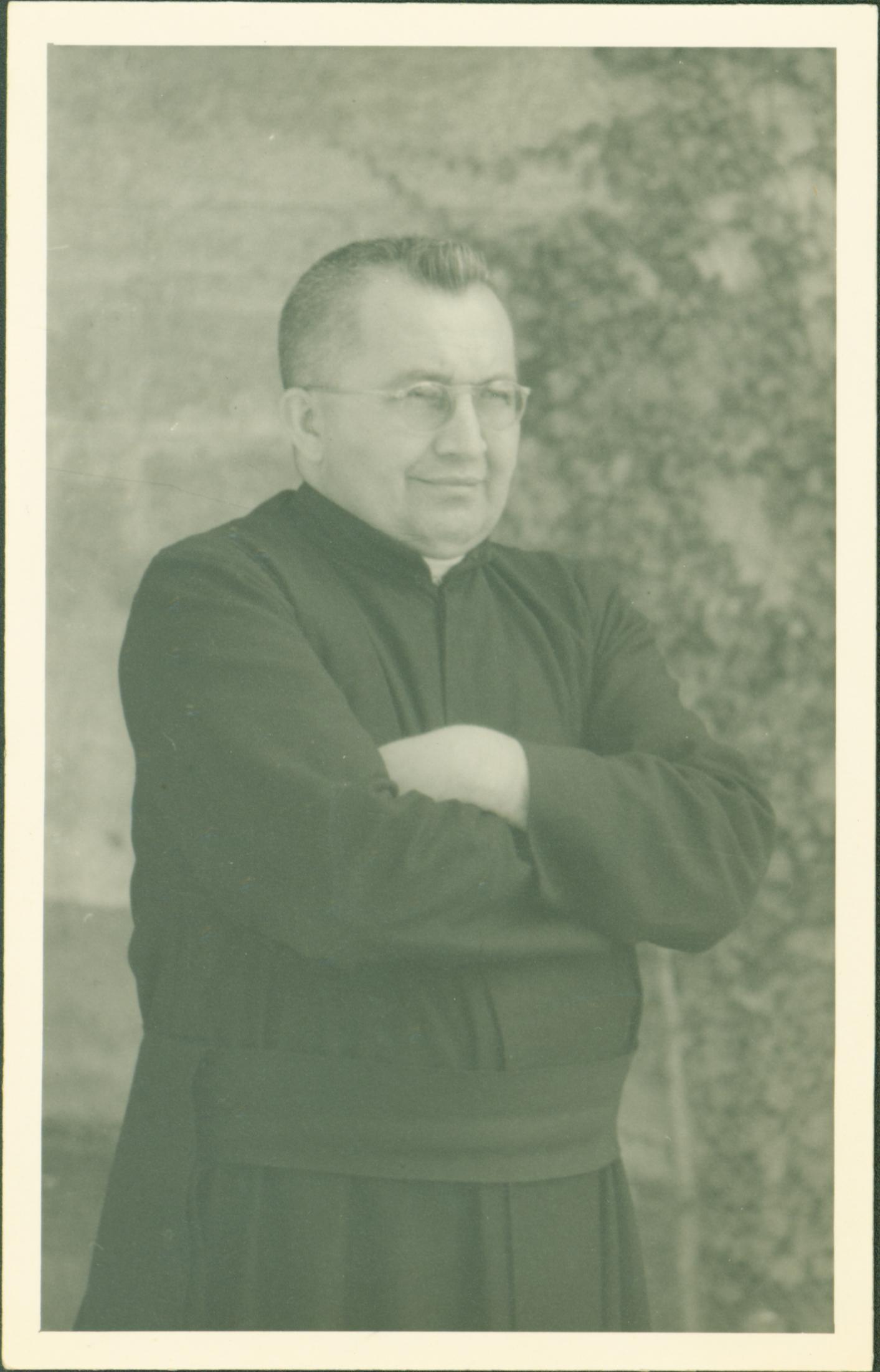
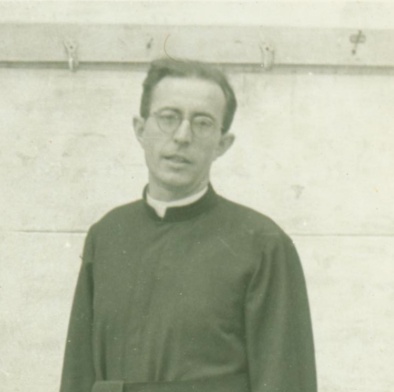
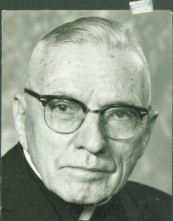
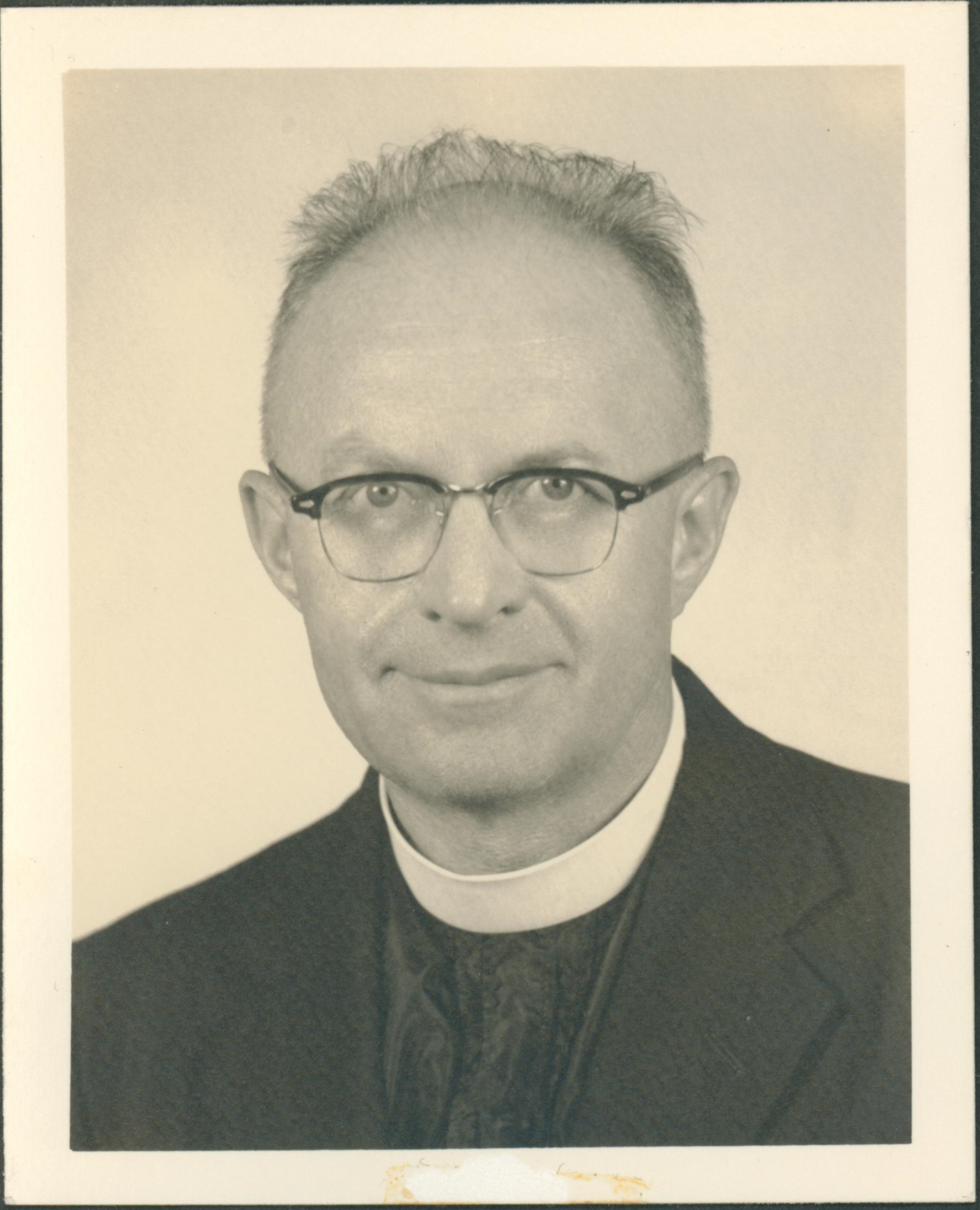
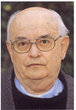
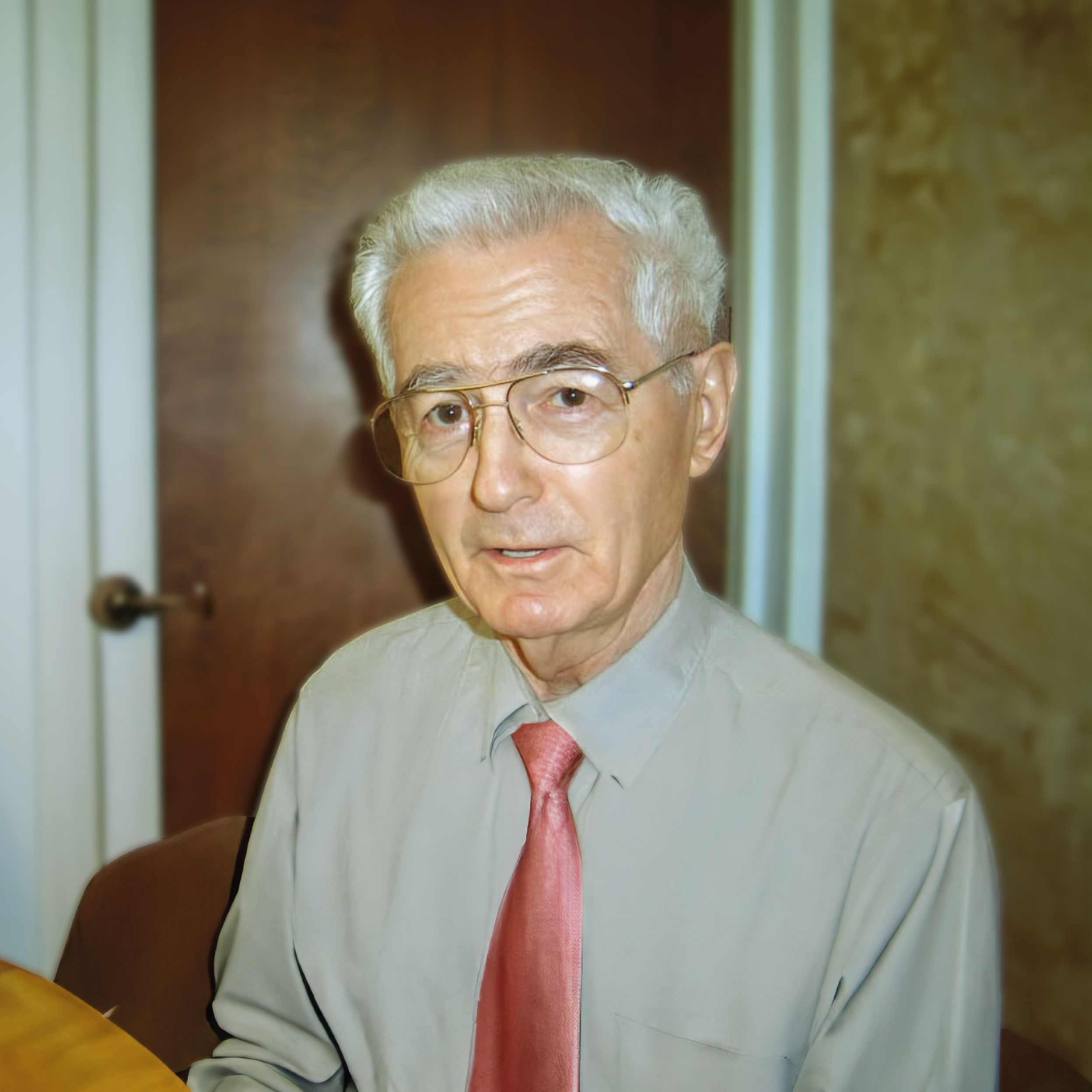
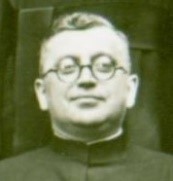
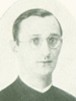
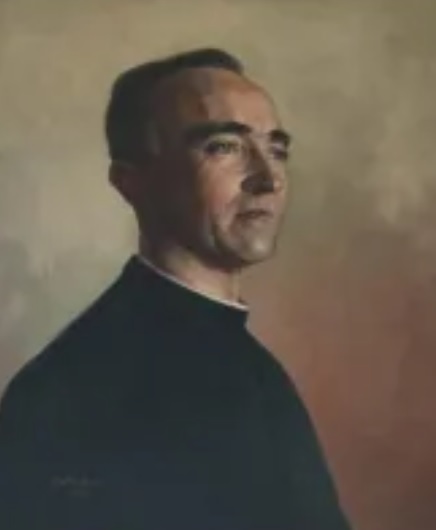
Klekk, Austro-Hungarian Monarchy, currently Klek (Клек), Serbia — January 1, 1889
Death data:
Potzu, Taiwan — January 17, 1972
Denomination:
Roman Catholic
Ecclesiastical status:
religious
Diocese / Order:
Veszprém (1912-ig) → jezsuita (Societas Jesu)
Ordination level:
priest
Priestly ordination:
Veszprém, Austro-Hungarian Monarchy, currently Hungary — June 29, 1911
Other name used:
隆其化.
Biographical data
Chinese name: 隆其化.
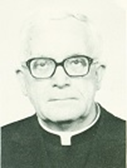
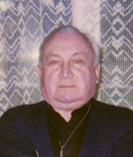
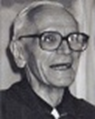
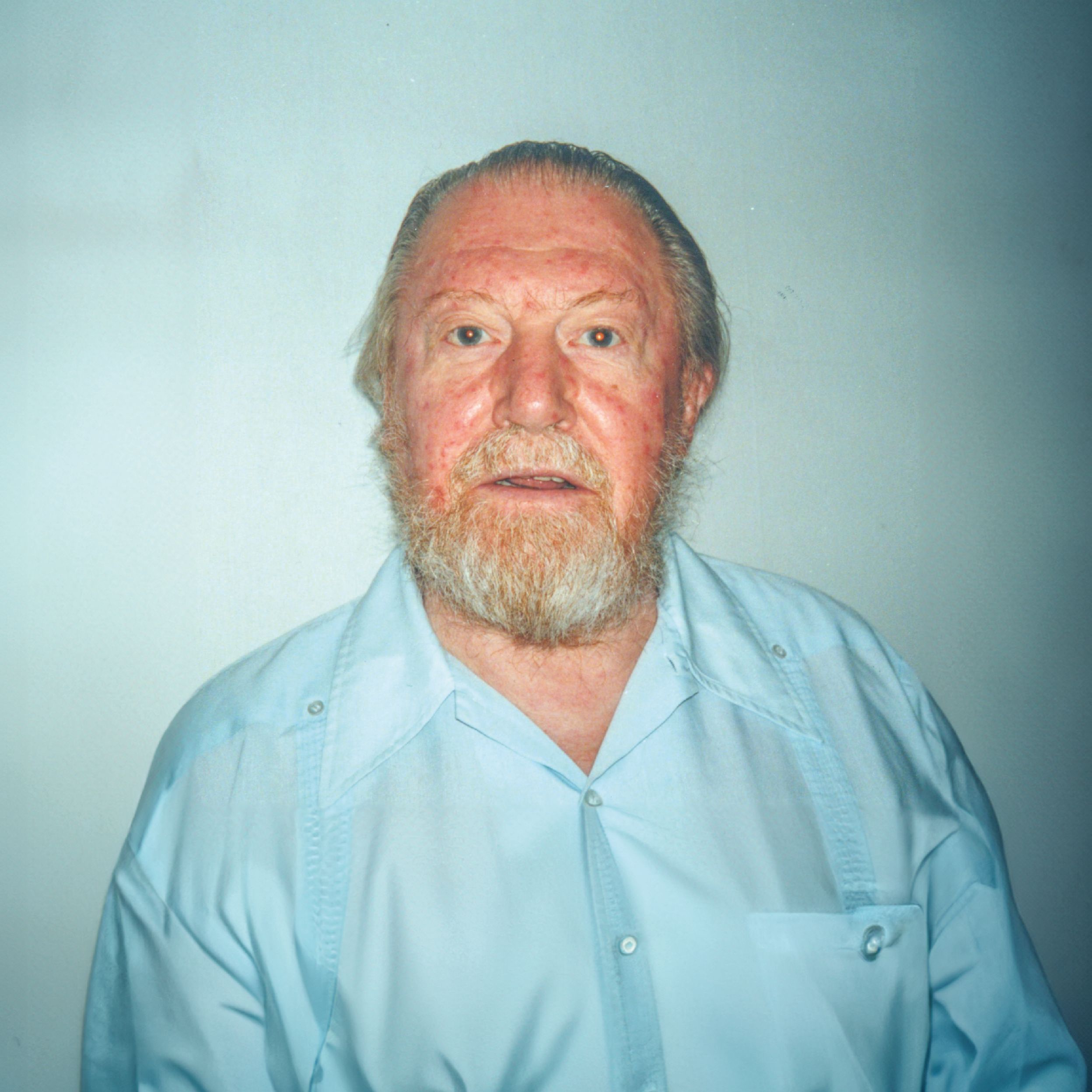
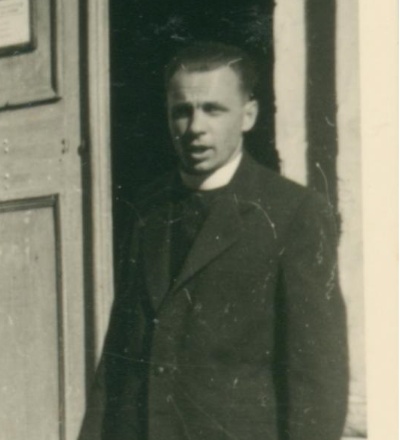
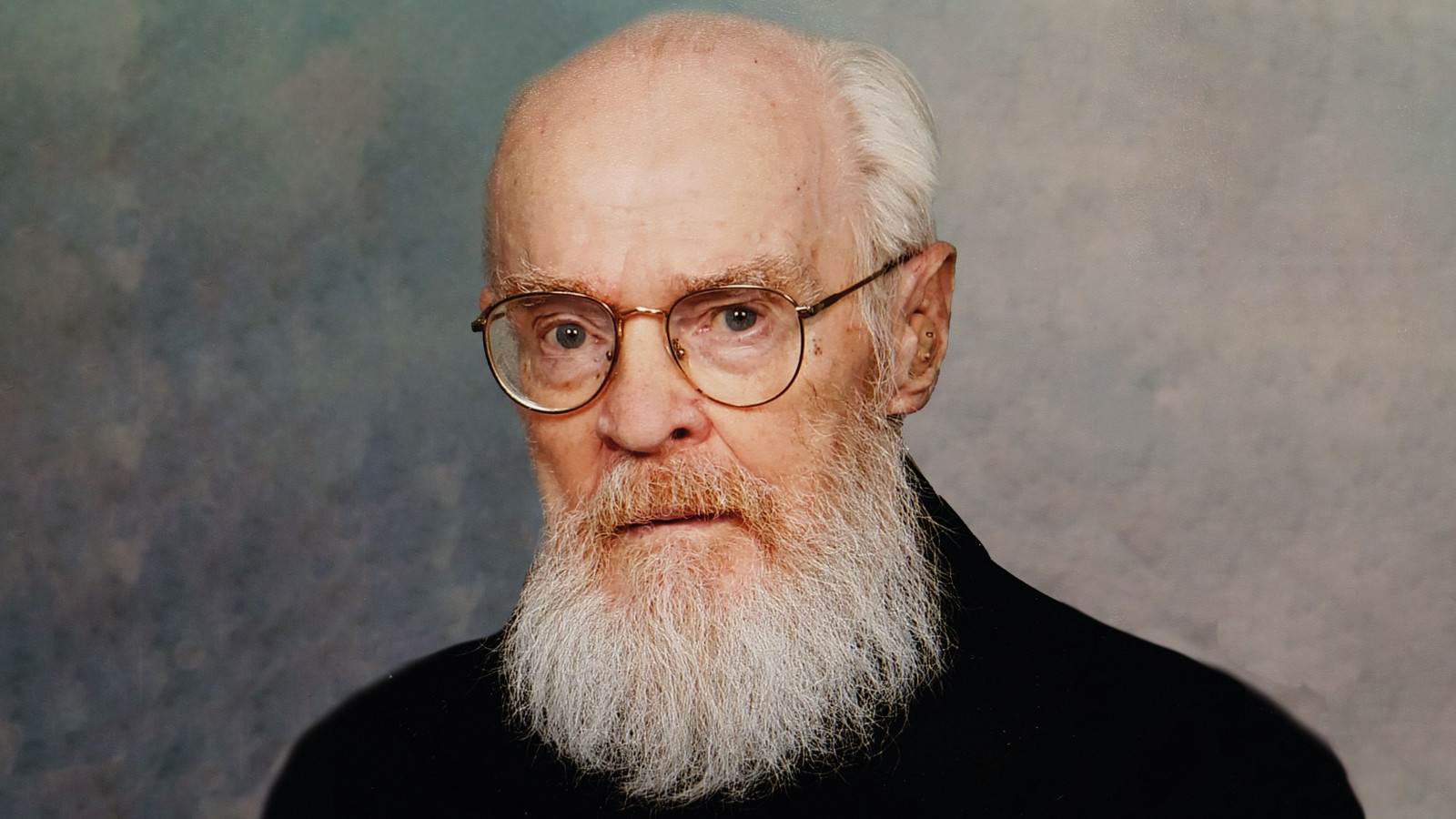
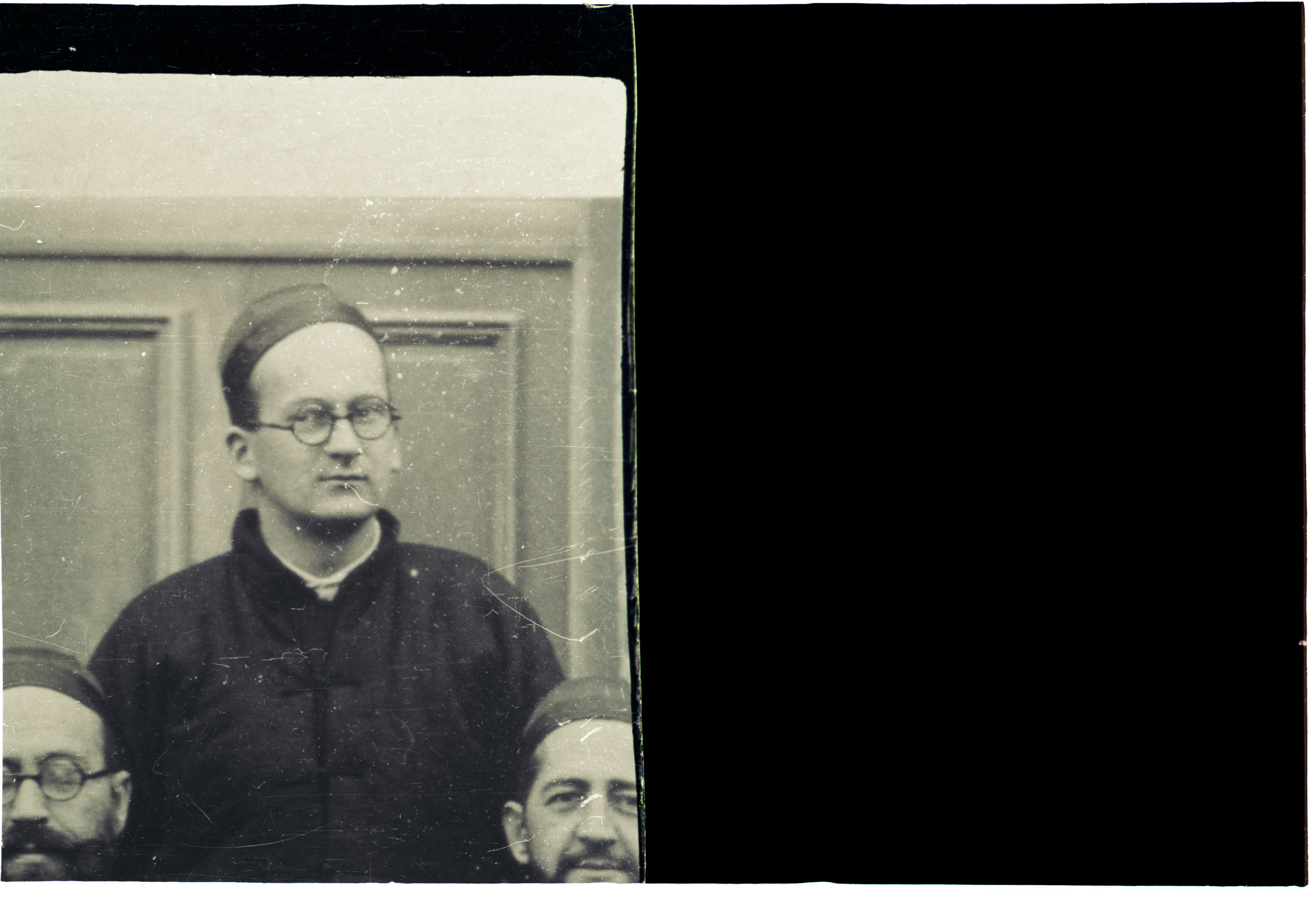
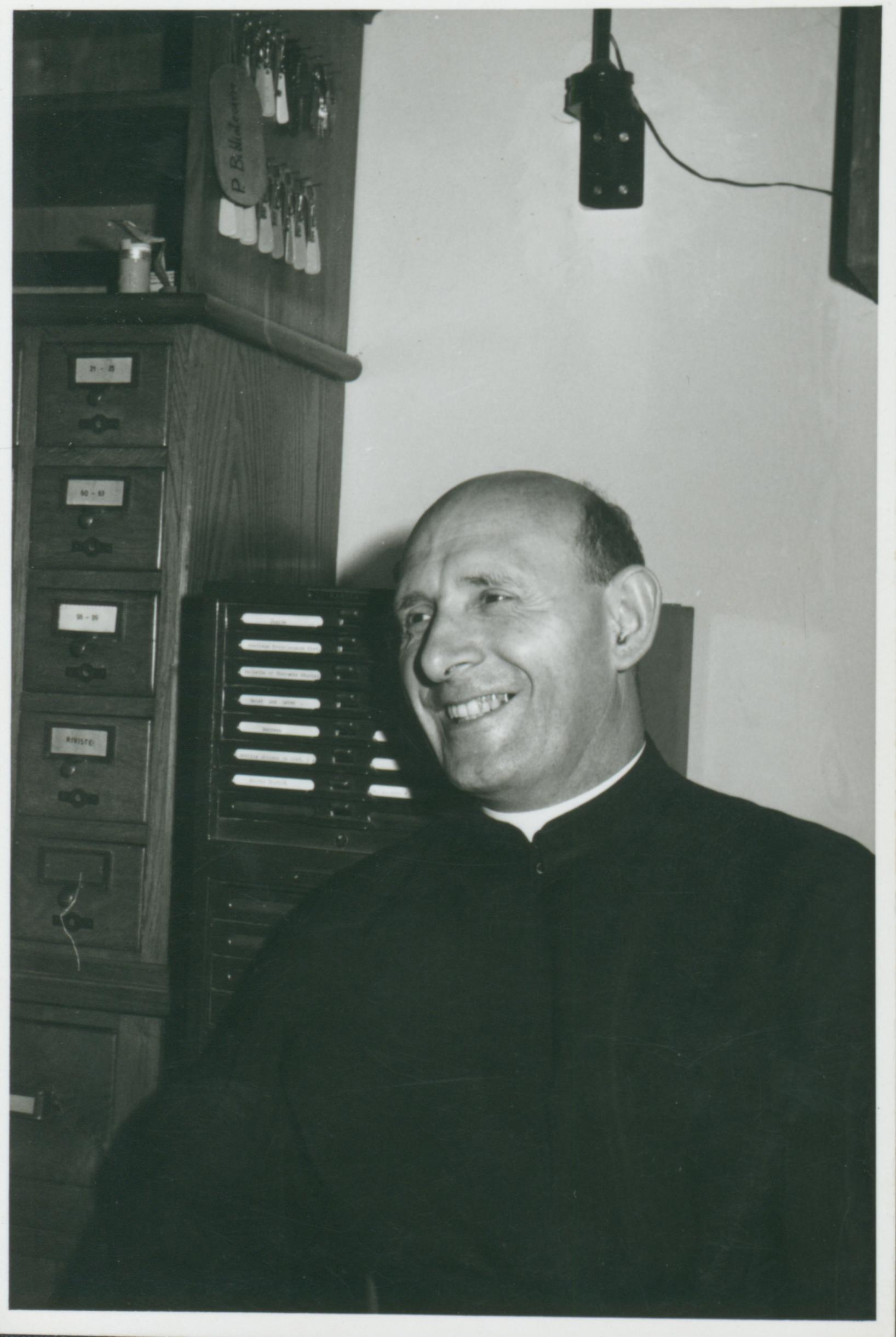
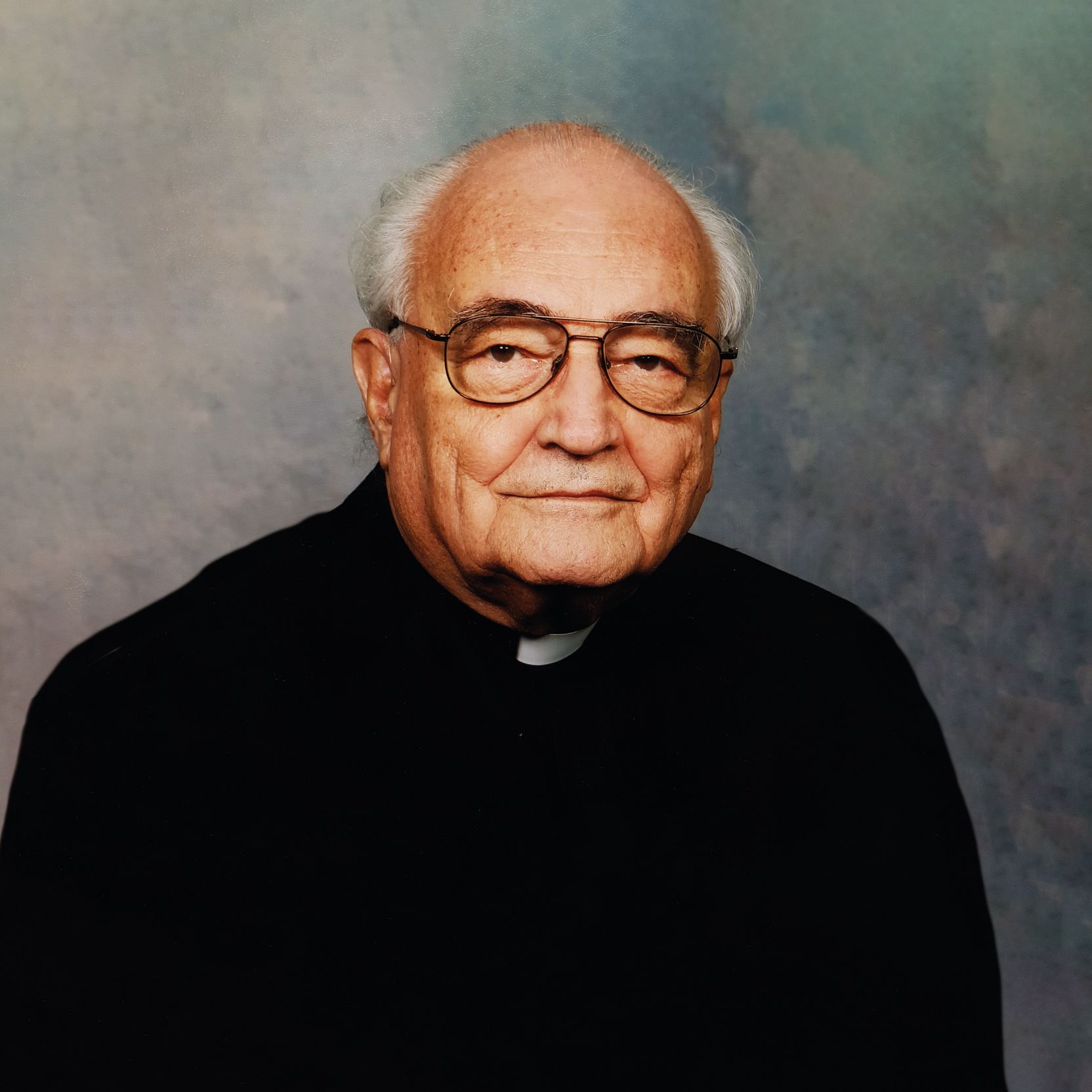
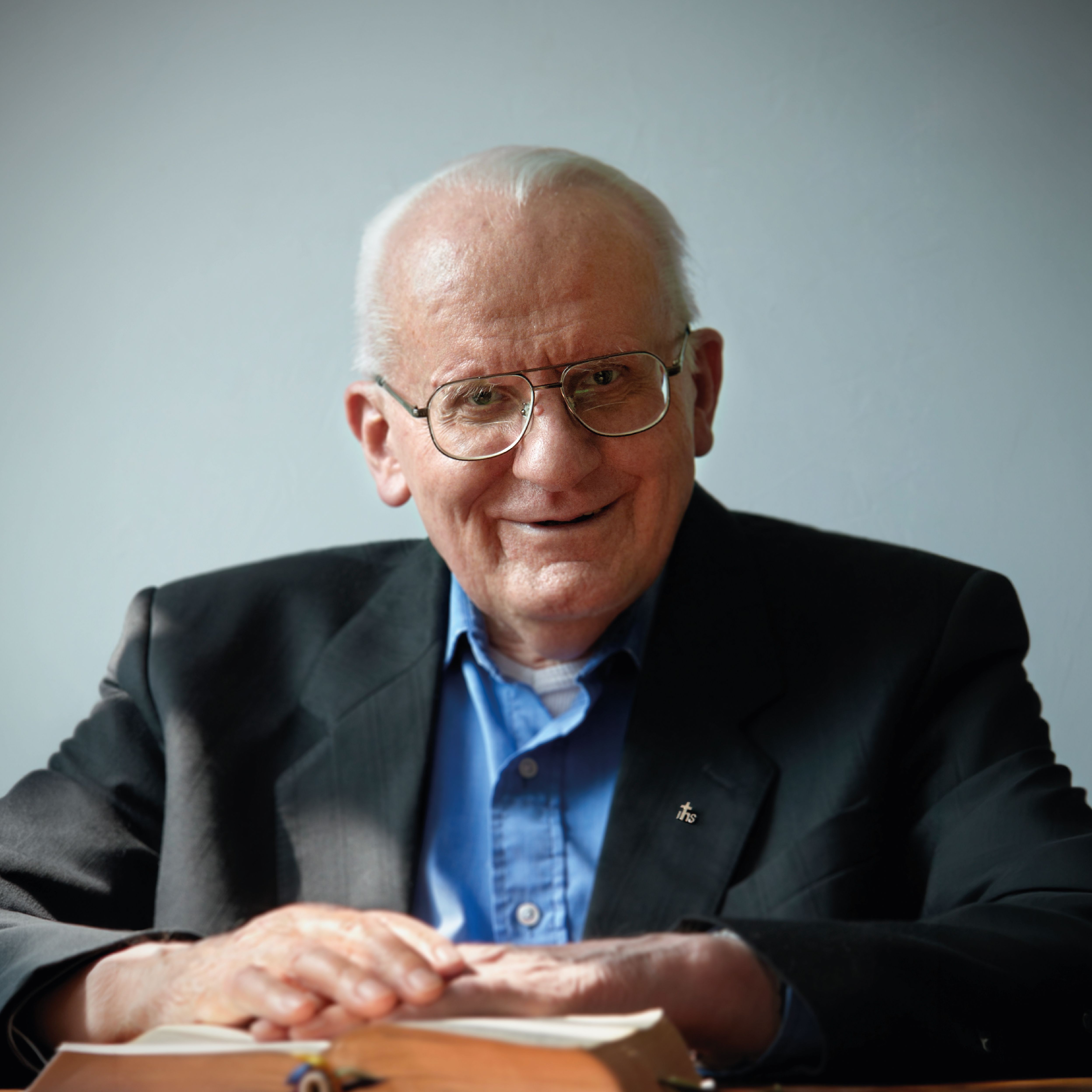
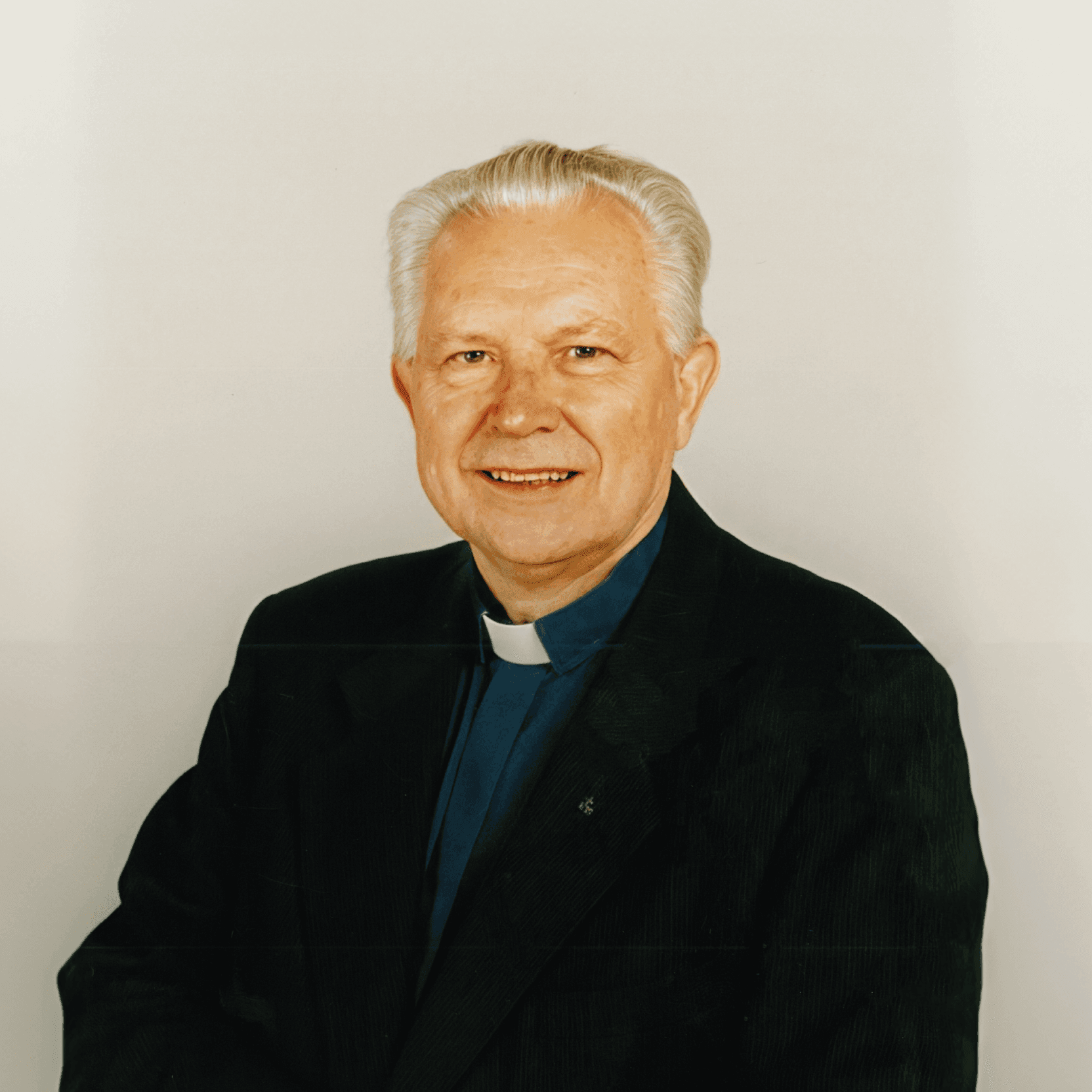
He was born in Kleken, Torontál County—later known as Bégafő. His calling to the priesthood emerged at a young age, but what makes his life story unique is that he joined the Society of Jesus after being ordained as a priest. After completing his high school studies, he was admitted to the seminary of the Diocese of Veszprém, and upon completing his theological training, he was ordained a priest on June 29, 1911, by Bishop Károly Hornig of Veszprém. He served as a curate for a year, but subsequently decided to embrace the monastic life and entered the Society of Jesus in Nagyszombat in 1912.
His superiors in the order quickly recognized his talent and diligence. In 1913, he was sent to Innsbruck, where he deepened his studies in philosophy over the course of two academic years. After his return, he taught Latin and Hungarian at the Jesuit high school in Pécs starting in 1915, and then continued his teaching work at the order’s school in Kalocsa the following academic year. During the final years of World War I and the period that followed, he studied Latin and history at the University of Budapest. His academic interests centered on the history of the Hungarian Jesuits; he wrote his doctoral dissertation in 1922 on the life and work of György Pray, an 18th-century Jesuit historian. At the same time, after a year of theological refresher courses, he returned to teach in Kalocsa, this time as a history teacher.
The third probationary year, which he completed in 1922–1923, marked a turning point in his life. It was around this time that the Chinese mission of the Hungarian Jesuit Province was being established, and he wished to join it. His application was accepted, but he still had to wait before departing. After another year of teaching in Pécs, he set out in 1924, but his first destination was not China—he was sent to the United States instead. His task was to secure support and financial backing for the mission that was being established. During his stay in the United States, he also participated in the pastoral care of local Hungarian Catholic communities.
After lengthy preparations, he arrived in China on September 26, 1926. Together with two fellow Hungarian priests, he began studying Chinese in Tientsin, which he later completed in Taming. After his initial years of missionary work in rural areas, he was assigned to Pujang in 1933, where he served as a dean and mission leader. Over the next twenty-one years, he became one of the region’s leading church figures. He held numerous leadership roles, including directing an orphanage for girls, and gained significant prestige in local society. During a devastating flood, the civil authorities entrusted him with the distribution of relief supplies, which clearly demonstrates the high level of trust placed in him. During the years of the Japanese occupation, the occupying power repeatedly attempted to persuade him to take on a public role, but he consistently remained aloof from politics.
The communist takeover, however, brought severe hardships upon him. He was kept under house arrest for a long time, while the Catholic Church’s ability to operate was increasingly restricted. During this difficult period, the Holy See elevated the territory of the Hungarian Jesuit mission in Taming to the rank of diocese and appointed him apostolic administrator on July 9, 1947. Despite the restrictions, he continued to successfully organize and direct church life until his expulsion.
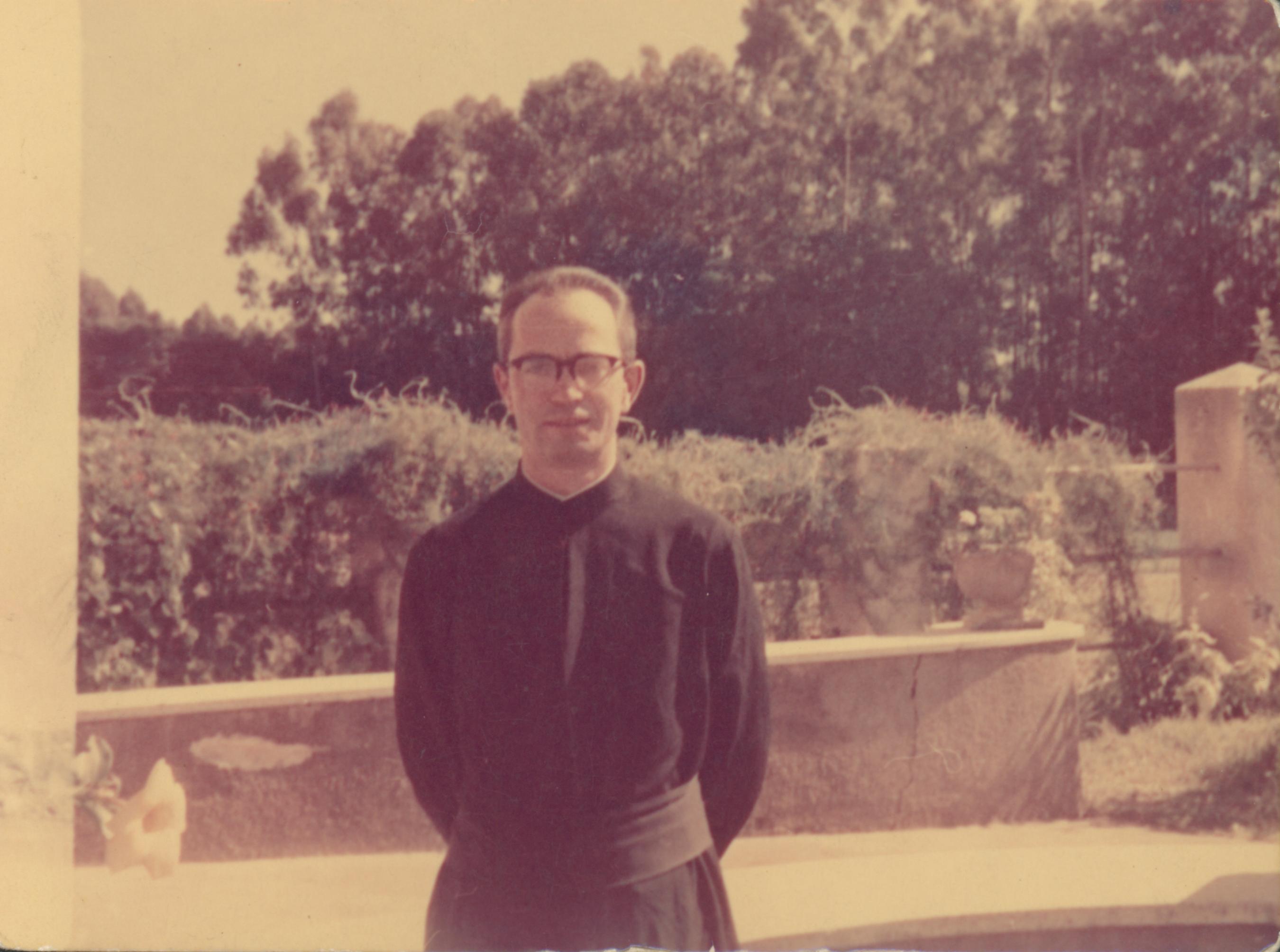
In November 1954, he relocated the center of his operations to Taiwan. The following year, he began organizing his new mission in Potzu. Together with three Hungarian Jesuit priests, two fellow Jesuits, and several Chinese priests, he quickly built a thriving community that laid the foundation for a new era in the Chinese mission. He spent the final years of his life in the service of missionary work. After more than half a century of priestly and religious service, he passed away in 1972, leaving behind one of the most significant legacies in the history of the Hungarian Jesuit mission.
Domestic service locations
From
To
Place i
Current name, country i
Church / institution
Position
1911
1912
Noszlop, Austro-Hungarian Monarchy
Hungary
assistant pastor
1915
Pécs, Austro-Hungarian Monarchy
Hungary
Latin and Hungarian teacher
1916
Kalocsa, Austro-Hungarian Monarchy
Hungary
teacher
1917
1920
Budapest, Austro-Hungarian Monarchy
Hungary
Pázmány Péter Tudományegyetem
Latin and history studies, doctoral studies
1921
Hungary
deepening his knowledge of theology
1922
Kalocsa, Hungary
history teacher
1923
Hungary
tercia
1924
Pécs, Hungary
teacher
Foreign service locations
From
To
Place
Current name, country
Church / institution
Position
1913
1915
Innsbruck, Austria
philosophical studies
1924
1926
New York, NY, USA
missionary, Hungarian pastor
1926
1933
Tientsin, Kína
Tiencsin (天津市)
missionary
1933
1954
Pujang, Kína
Pujang (濮阳)
Dean, director of a girls’ orphanage, apostolic administrator from 1947