Description
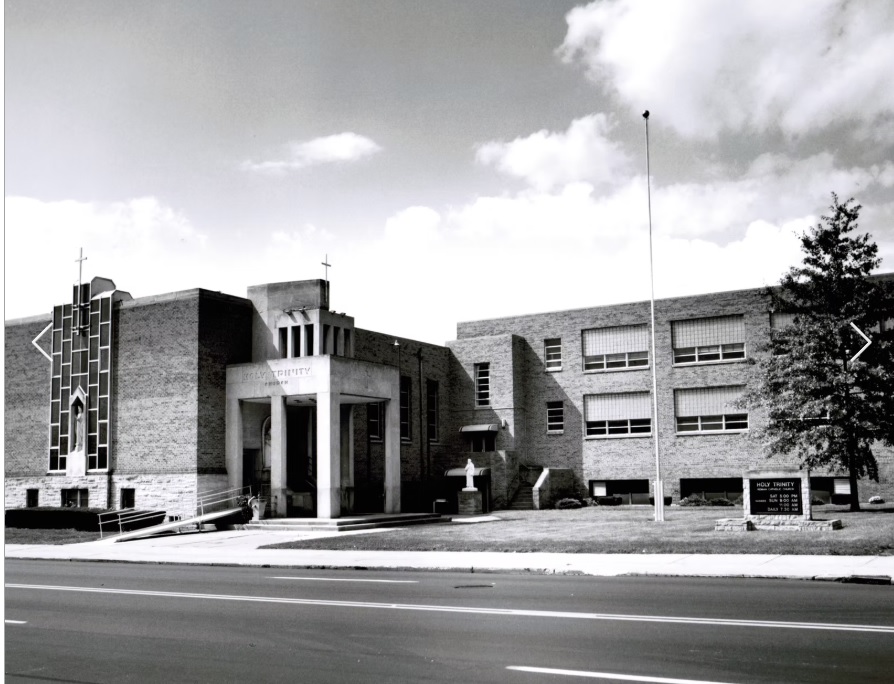
The Holy Trinity Church in Barberton was one of the most significant ecclesiastical and community centers of Hungarian Catholicism in the United States, specifically in the state of Ohio. Its history was closely intertwined with the development of the city of Barberton and with the Hungarian immigrant community that settled in the rapidly industrializing town in the early 20th century. For Hungarians, the church was not merely a place of worship but also the most important institution for preserving community life, language, culture, and national identity.
The first Hungarian families arrived in Barberton around 1900. According to the notes of the later parish priest, Lőrinc Bíró, OFM, the first Hungarian settlers were János Szemán and his wife, Katalin Szabó, who moved to the town after spending two years in Akron. At that time, Barberton was still considered a young settlement; farmhouses, cornfields, and the first signs of industrialization greeted the new arrivals. Most of the Hungarians found work in the factories and plants of the area, and soon more families followed them from Cleveland and Hungary. The names of the Bialkó, Ternánszky, Meyercsik, Hajdu, Illés, Szabó, Béres, Koscsó, Hersemják, Despoth, and Svertsits families appear among the community’s first settlers.
From the very beginning, the Hungarians sought to organize their own social and religious life. In 1907, they founded the St. Elizabeth Women’s Relief Association of the House of Árpád, followed in 1909 by the establishment of the local chapter of the St. Stephen Youth Association. The first parish-like organization was the St. Joseph Society, which was founded on July 25, 1910, with thirty-two members. The community felt an ever-growing need for a church of its own, so in January 1911, they decided to purchase a small German Lutheran wooden church on First Street. Raising the $3,000 purchase price required a significant sacrifice from the congregation, but with the support of the St. Stephen and St. Elizabeth Associations, they succeeded in carrying out the plan. They took possession of the church on March 25, 1911, marking the birth of the Hungarian Catholic parish in Barberton.
Pastoral care faced difficulties at first. The community was still too small to support its own parish priest, so various priests presided over Masses and provided pastoral care. Among those who served here were Oszkár Szilágyi, Emil Egner, Oszkár Solymos, Greek Catholic priest Péter Popovics, as well as Ferenc Dénes and Nándor Pupinszky. Ferenc Dénes became the first resident parish priest, though he returned to Hungary after a short time.
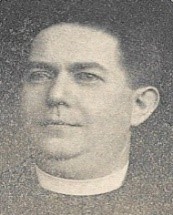
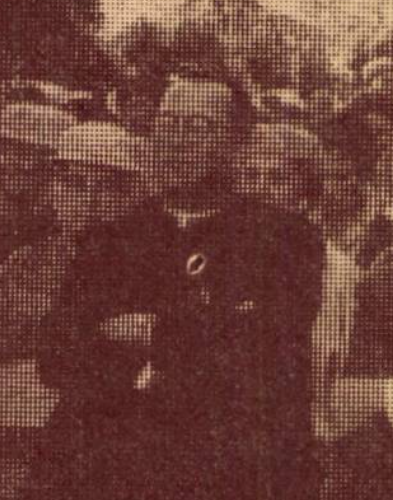
The first major era in the parish’s history began in 1924, when Lőrinc Bíró, OFM, a Franciscan friar from Transylvania, took over the leadership of the parish. His arrival marked a turning point in the life of the community. He strengthened pastoral work, revitalized community life, and recognized that the small wooden church would not be able to serve the growing Hungarian community in the long term. As early as the fall of 1924, he encouraged the faithful to build a new church. They organized fundraisers, cultural events, and theatrical performances, the proceeds of which were donated to the church fund. Under the leadership of Lőrinc Bíró, the parish’s financial situation improved significantly, and they succeeded in laying the groundwork for the construction of a larger church. In 1927, however, he was transferred to South Bend, where he was to take over the leadership of the Hungarian St. Stephen Parish.
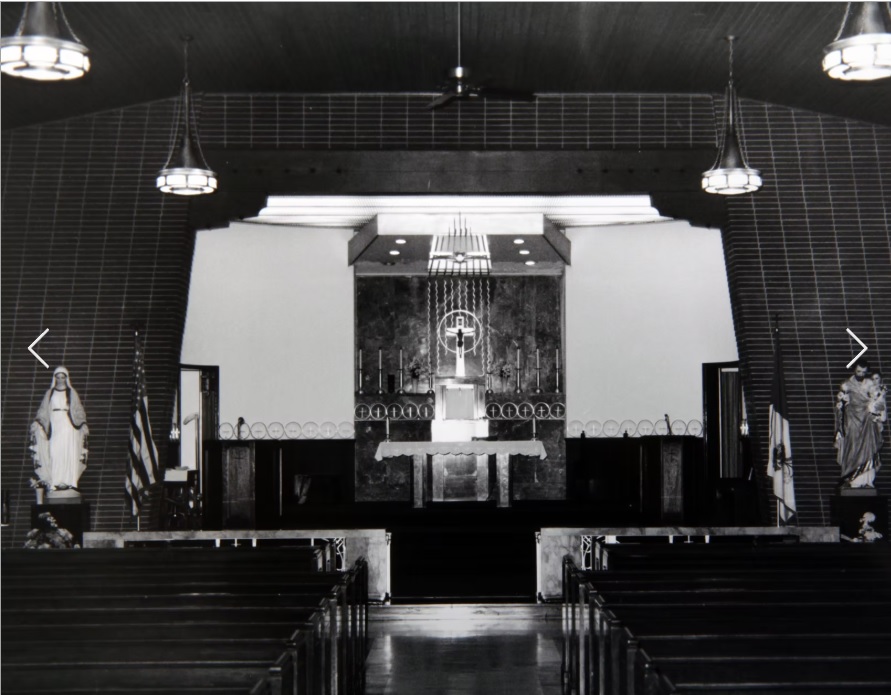
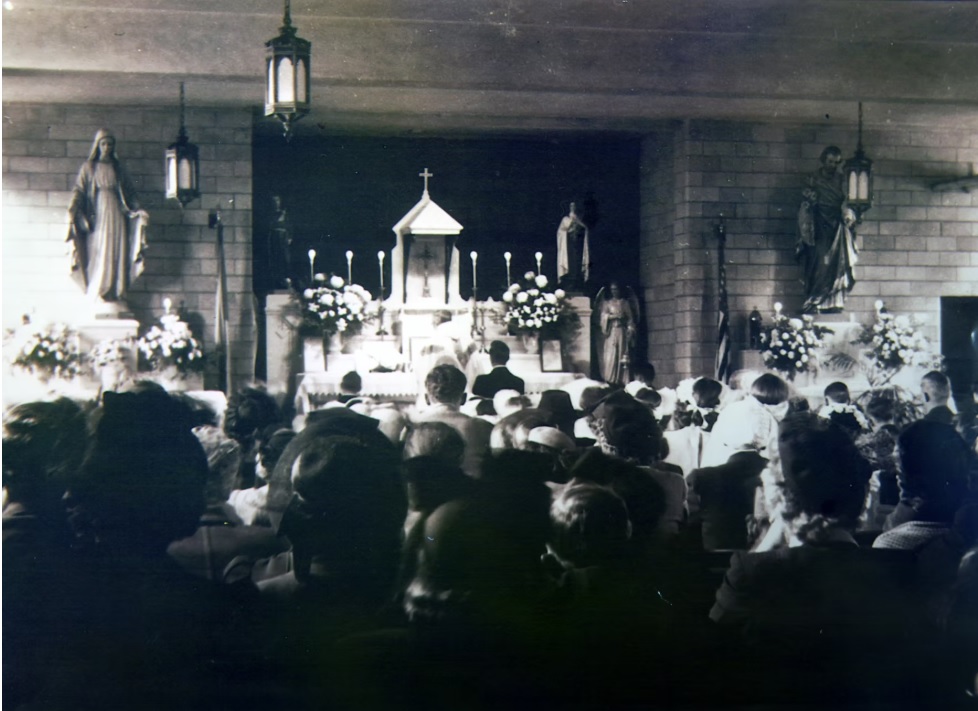
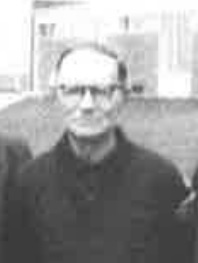
His work was continued by his fellow friar, Atanáz Kovács, OFM. He realized his predecessor’s plan when, on July 1, 1928, he purchased the plot of land on Wooster Road designated for the new church and school. However, the Great Depression delayed construction. Nevertheless, the parishioners persevered in their fundraising efforts, and construction of the church finally began in 1932. The groundbreaking ceremony took place in 1932, and the cornerstone was blessed on November 6. The first Mass was celebrated on April 2, 1933, in the still-unfinished lower church, and on May 30, 1933, Auxiliary Bishop James A. McFadden consecrated the lower church. The ceremony was attended by the local clergy and Dr. Lajos Alexy, Hungary’s royal consul in Cleveland.
Atanáz Kovács was not only the builder but also one of the greatest spiritual leaders of the Hungarian community in Barberton. Under his leadership, the parish successfully weathered the years of the Great Depression and then provided significant assistance to Hungarians fleeing World War II and communist rule. He served the parish until his death on December 28, 1952.
His successor, Miklós Dengl, OFM, completed the work begun by Lőrinc Bíró and Atanáz Kovács. With the construction of the upper level of the church, the Holy Trinity Church took on its final form. The building was designed by János Ormai, an architect of Hungarian descent. A school was built at the same time as the church and opened its doors in 1959. Instruction was provided by the Sisters of the Divine Savior. The first Mass was celebrated in the upper church in 1959, and the solemn consecration of the entire building took place on December 13, 1959.
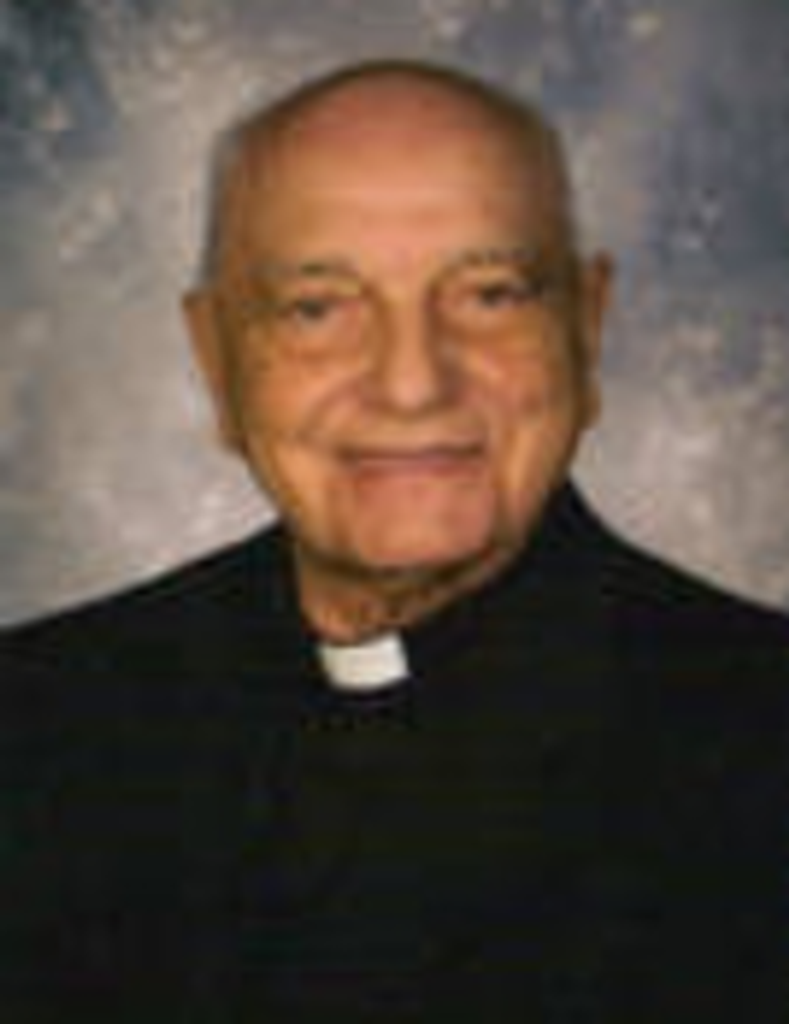
In the following decades, the Holy Trinity Parish remained the center of Hungarian life in Barberton. The school was also expanded, with new classrooms and a convent built. The parish was later led by Father Baan (Baán), and then, beginning in 1973, by Dr. György Mészáros. One of the most significant events in the parish’s history was the 1974 visit by Cardinal József Mindszenty. In his speech delivered in Hungarian, the Prince-Primate drew attention to the importance of faith, family, and the preservation of the Hungarian language, emphasizing that the future of Hungarian communities living in the diaspora lies primarily in the hands of families.
The school later closed, as did most Hungarian church-run institutions in the United States, due to declining enrollment and assimilation. Hungarian-language pastoral care gradually took a back seat, and the parish gradually transformed into a territorial parish before closing in 2007.